
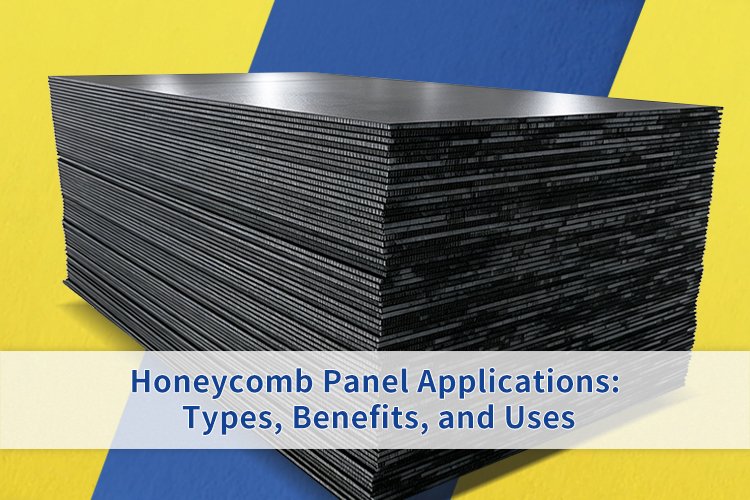
Honeycomb Panel Applications: Types, Benefits, and Uses
What Is a Honeycomb Panel?
Honeycomb panels are a type of lightweight composite material consisting of two high-strength face sheets and a honeycomb core.
The honeycomb core features a structure of neatly arranged circular cells that evenly distribute external pressure across the entire core layer. This structure also facilitates internal air circulation and moisture drainage. These panels are lightweight yet strong, offering excellent resistance to compression and deformation.
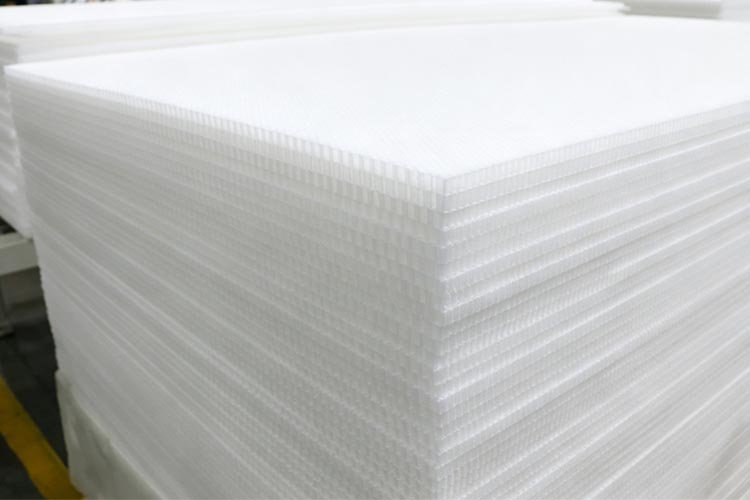
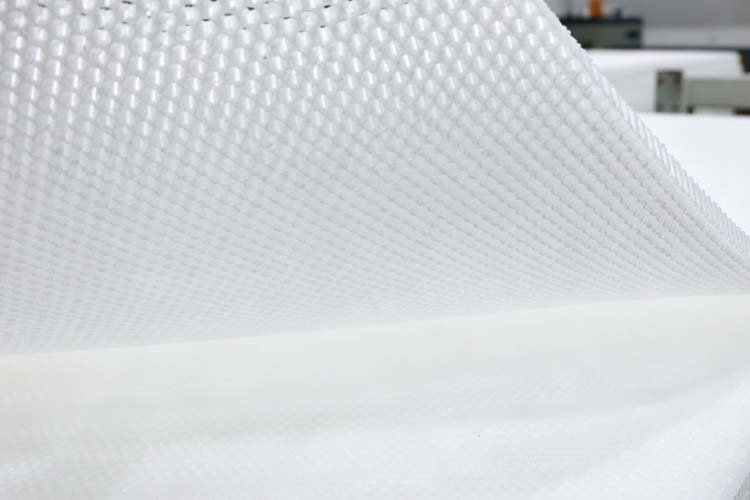
As various industries continue to seek materials that offer higher strength, lower weight, and greater sustainability, honeycomb panels have become an increasingly popular solution. They enhance application performance while simultaneously reducing structural weight and lifecycle costs.
Why Honeycomb Panels Are Widely Used?
Lightweight structure with an exceptional strength-to-weight ratio
The honeycomb core effectively distributes loads across the entire panel, providing outstanding flexural rigidity and compressive strength with minimal material usage. This allows the panels to remain lightweight without compromising structural performance.
Excellent flexural rigidity and structural stiffness
Despite their lightweight structure, honeycomb panels offer remarkable flexural rigidity and structural stability. They resist bending, warping, and deformation under load, making them ideal for applications requiring high structural performance.
Corrosion and moisture resistance
Both the facing materials (such as FRP or CFRT sheets) and the internal PP honeycomb core exhibit excellent corrosion resistance. Consequently, these panels are durable, moisture-resistant, and suitable for a wide range of applications.
Design flexibility
Honeycomb panels can be manufactured in various thicknesses, sizes, and material combinations to meet specific application requirements. Additionally, support for CNC machining, embedded reinforcements, and diverse surface finishing processes makes them highly suitable for customized engineering projects.
Reduced vehicle weight for improved fuel efficiency
Compared to traditional wooden or metal truck bodies, bodies made from honeycomb panels significantly reduce vehicle weight, thereby greatly improving fuel efficiency.
Long service life and low maintenance requirements
High-quality honeycomb panels are designed for long-term, continuous use with minimal maintenance. Their resistance to rust, moisture, UV radiation, and fatigue extends the service life of the final product while reducing maintenance and replacement costs.
Applications of Honeycomb Panels
- Truck Bodies
Honeycomb panels are widely used in dry-cargo truck bodies and last-mile delivery vehicles. Their lightweight structure helps increase cargo-carrying capacity, improve fuel efficiency, and reduce operating costs.
- RVs
RV manufacturers can use honeycomb panels for the construction of sidewalls, roofs, and floors. This enables RVs to achieve lightweighting while ensuring reliable structural rigidity and compressive strength, while also providing a more spacious living area.
- Marine Industry
Construction of decks, bulkheads, and cabin interiors. Their excellent resistance to moisture and corrosion, along with their ability to withstand harsh marine environments, makes them an ideal alternative to traditional wood or metal materials.
- Building and Construction
In the construction industry, honeycomb panels are used for applications such as exterior wall cladding, interior walls, ceilings, modular construction, and building facades. Their high rigidity, flat surfaces, and ease of installation help accelerate construction schedules and reduce structural loads.
- Furniture Manufacturing
Honeycomb panels are increasingly being used to manufacture lightweight tables, cabinets, shelving, office furniture, and exhibition displays. They offer the appearance and strength of traditional solid panels while significantly reducing weight, thereby simplifying transportation and installation.
- Industrial Equipment
Honeycomb panels can also be used for components such as machine enclosures, equipment housings, work platforms, partitions, and protective shields. Their high rigidity and dimensional stability help enhance equipment performance while reducing overall weight.
- Rail and Public Transportation
Honeycomb panels are widely used in trains, subways, and buses for applications such as flooring, sidewalls, ceilings, luggage racks, and interior partitions. Their lightweight structure helps reduce vehicle weight, improve energy efficiency, and enhance passenger comfort, while meeting the rigorous safety and durability standards required for public transportation.
- Renewable Energy
Honeycomb panels are widely used in solar energy systems, battery enclosures, and other renewable energy equipment. Their excellent corrosion resistance and durability ensure long-term outdoor performance, even under varying environmental conditions.
How to Choose the Right Honeycomb Panels?
STEP 1 Scenario Confirmation
First, you need to determine the intended use of the honeycomb panels. Performance requirements vary across industries. For instance, truck bodies prioritize impact resistance and durability, while RVs focus on weight reduction and weather resistance, and architectural applications emphasize structural stability and fire resistance.
STEP 2 Exterior Layer Selection
The facing material determines the surface properties, strength, and appearance of the panel. FRP sheets offer excellent corrosion resistance, high strength, and low maintenance requirements. CFRT sheets provide superior impact resistance. ACP(Aluminum Composite Panel) is lightweight, corrosion-resistant, and boasts a premium appearance.
STEP 3 Core Material Selection
The core material directly affects the panel’s weight, rigidity, durability, and thermal insulation performance. PP (polypropylene) honeycomb cores are lightweight, water-resistant, and corrosion-resistant, making them suitable for transportation and industrial applications. Aluminum honeycomb cores offer exceptional rigidity and fire resistance while maintaining a lightweight profile.
STEP 4 Application Data Confirmation
You need to consider the material thickness and the operating environment. Additionally, you should balance panel performance with procurement costs.
STEP 5 Choose a Reliable Manufacturer
Partnering with an experienced manufacturer is equally crucial. Composite-Box boasts over twenty years of experience in honeycomb panel manufacturing. Our facility is equipped with advanced production lines, and our production and design teams can provide further customization tailored to your specific requirements.


 English
 French
 German
 Japanese
 Korean
 Russian
 Polish
 Spanish