
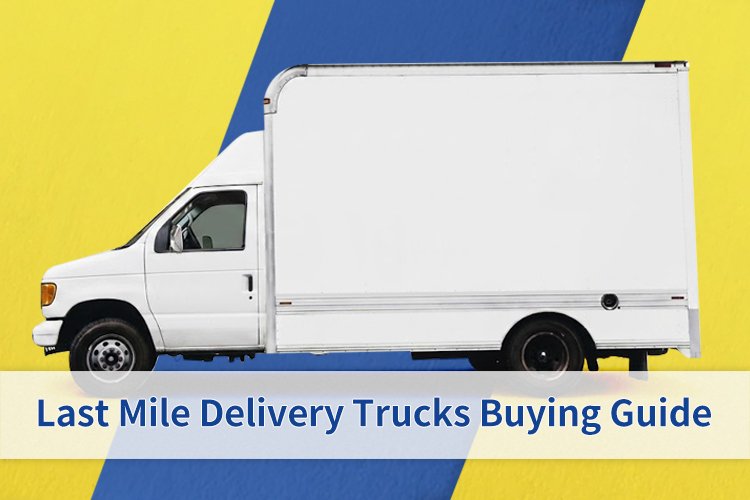
Last Mile Delivery Trucks Buying Guide
What Is Last Mile Delivery?
“Last-mile” delivery refers to the final stage of the supply chain—the process of transporting goods from a distribution center, fulfillment center, or local warehouse to the end customer. As the concluding step in the delivery process, it is often the most critical, directly impacting customer satisfaction, delivery speed, and operating costs.
Unlike long-haul transport, last-mile delivery typically involves frequent stops, short-distance trips, and driving through congested urban or suburban areas. These conditions demand trucks that offer excellent maneuverability, durability, and fuel efficiency, while maximizing cargo capacity and minimizing operating costs.
Therefore, investing in the right last-mile delivery trucks and truck body solutions is essential for building a faster, more efficient, and more sustainable delivery network.
What Are Last Mile Delivery Trucks?
· Cargo Vans
· Box Trucks
· Refrigerated Trucks
· Electric Delivery Trucks
· Walk-in Vans
Applications of Last Mile Delivery Trucks
Parcel Delivery
Parcel delivery is one of the most common use cases for “last-mile” delivery trucks. Courier companies and logistics providers use these vehicles to transport packages from local distribution centers to residential and commercial customers.
Fresh Food Delivery
Trucks dedicated to fresh food delivery are typically equipped with insulated or refrigerated cargo compartments, ensuring both product freshness and reliable, rapid service.
Frozen Food Delivery
Refrigerated delivery trucks featuring high-performance insulated composite truck bodies maintain stable low-temperature environments, thereby reducing energy consumption and ensuring food quality and safety from the warehouse to the customer.
Pharmaceutical Logistics
Composite insulated truck bodies can offer superior thermal insulation, helping to preserve product quality while meeting cold-chain logistics standards.
Beverage Delivery
Beverage distributors rely on “last-mile” delivery trucks to transport bottled water, soft drinks, juices, beer, and other beverages to supermarkets, restaurants, hotels, and retail stores.
Furniture Delivery
Furniture delivery trucks are primarily used to transport bulky items such as sofas, tables, mattresses, and office furniture. Spacious box-truck bodies featuring sturdy flooring and reinforced sidewalls protect products from damage during transit.
E-commerce
The rapid growth of e-commerce has significantly increased the demand for efficient “last-mile” delivery solutions. Lightweight composite truck bodies help improve operational efficiency while reducing fuel consumption and maintenance costs.
Retail Goods Delivery
Retail delivery trucks transport goods from regional warehouses to supermarkets, convenience stores, shopping malls, and various local retail outlets. Durable yet lightweight composite truck bodies can help lower operating costs and ensure the reliable completion of daily delivery tasks.
Key Features of a Good Last Mile Delivery Truck
· Lightweight construction
· High payload capacity
· Easy loading and unloading
· Durable truck body
· Thermal insulation (if needed)
· Low maintenance
· Corrosion resistance
· Fuel efficiency
Composite vs Steel vs Aluminum Truck Bodies
| Feature | Composite | Aluminum | Steel |
| Weight | Light | Medium | Heavy |
| Corrosion Resistance | Excellent | Good | Low |
| Thermal Insulation | Excellent | Fair | Low |
| Maintenance | Low | Medium | High |
| Fuel Efficiency | Excellent | Good | Fair |
Why Composite-Box Composite Truck Bodies?
· FRP sandwich panels
· Lightweight design
· High strength
· Waterproof
· Excellent insulation
· OEM customization
· CNC machining
· Global export experience
FAQ
What is a last mile delivery truck?
“Last-mile” delivery trucks are commercial vehicles specifically designed to transport goods from local distribution or fulfillment centers to the end customer. Unlike heavy-duty trucks used for long-haul transport, these delivery trucks typically operate on short-distance routes with frequent stops, making them well-suited for delivery operations in urban and suburban areas.
What size truck is best for urban delivery?
The optimal truck size for urban delivery depends on the type of cargo, delivery volume, route conditions, and local regulations. Overall, trucks with cargo body lengths ranging from 10 to 18 feet (3–5.5 meters) strike the best balance between load capacity and maneuverability, making them the preferred choice for most “last-mile” delivery operations.
Are composite truck bodies worth it?
Yes, for many fleet operators—particularly those engaged in last-mile delivery, refrigerated transport, and urban logistics—investing in composite truck bodies is a worthwhile proposition. Although the initial purchase cost may be higher than that of traditional steel truck bodies, the total cost of ownership is often lower due to long-term savings on fuel, maintenance, and truck performance.
What materials are used for delivery truck bodies?
The most commonly used materials include steel, aluminum, plywood, and composite sandwich panels. The best choice depends on the truck’s intended use, load requirements, operating environment, and budget.
How long does a composite truck body last?
High-quality composite truck bodies typically have a service life of 15 to 25 years or even longer, depending on their design, materials, operating conditions, and maintenance.

 English
 French
 German
 Japanese
 Korean
 Russian
 Polish
 Spanish