
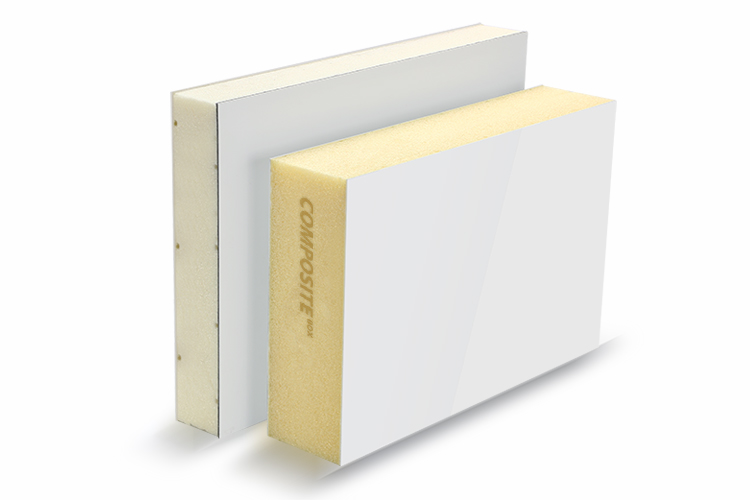
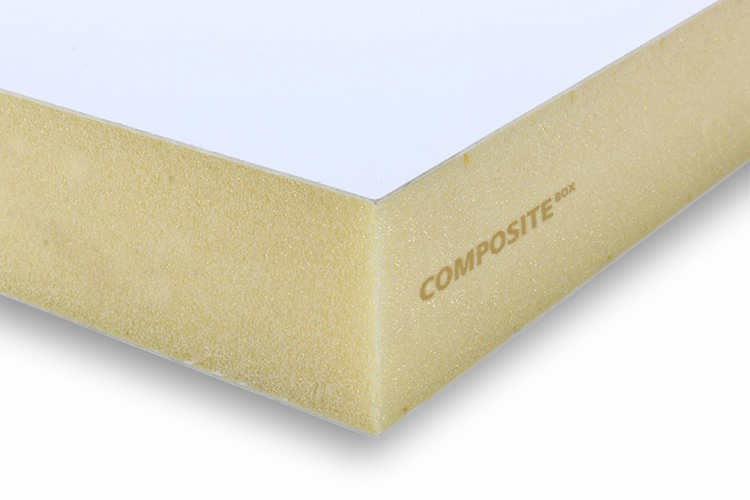
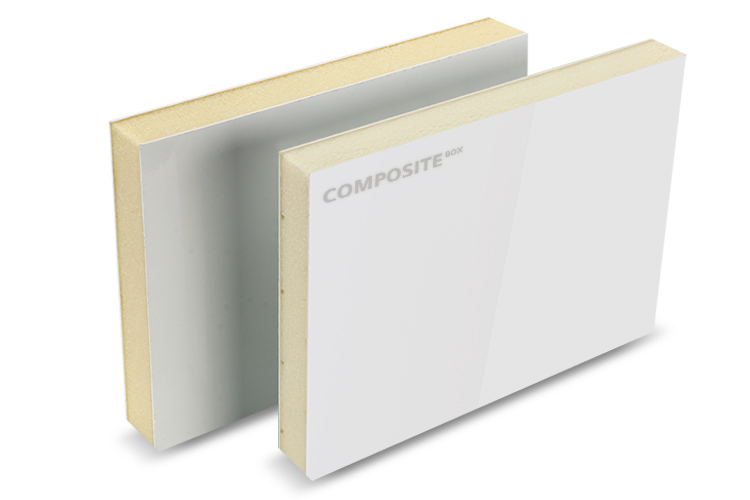
Sztywna pianka izolacyjna PU
Podłoga PP o strukturze plastra miodu to materiał kompozytowy składający się z winylowej podłogi drewnopodobnej i rdzenia PP o strukturze plastra miodu. Łączy w sobie zalety rdzeni PP o strukturze plastra miodu i podłóg z litego drewna, oferując korzyści w postaci lekkości, niskich kosztów i długiej żywotności. Nadaje się do użytku w pomieszczeniach, a także w kamperach i ciężarówkach.
Opis produktu
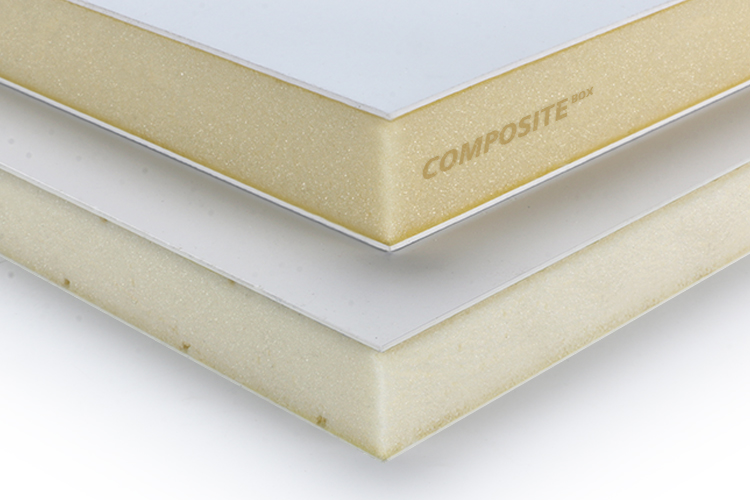
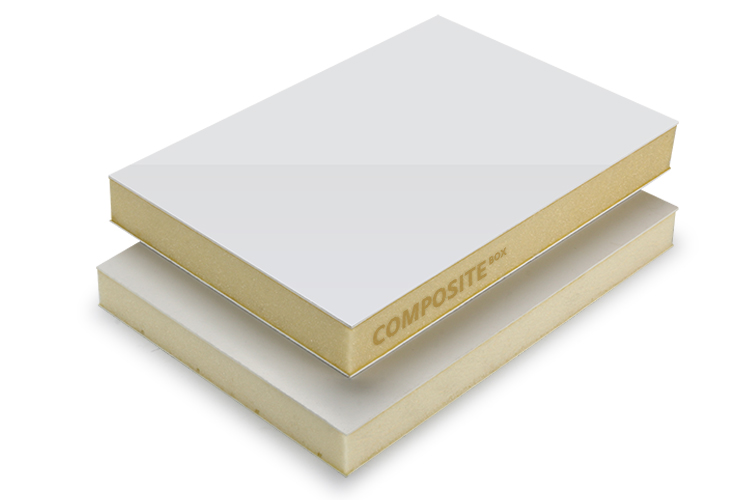
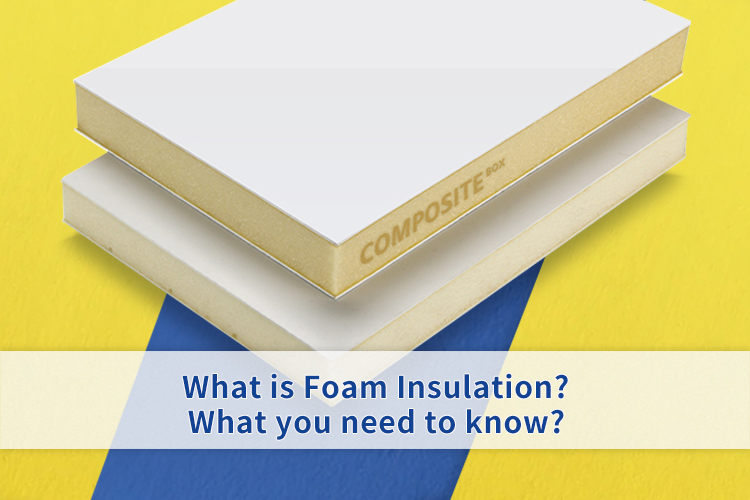
Płyty ze sztywnej pianki poliuretanowej są również znane jako PU lub PUR. Są one rodzajem sztywnej pianki izolacyjnej i pianki ognioodpornej. Charakteryzują się przewodnością cieplną na poziomie 0,022-0,028 W/m/K i zamkniętą strukturą komórkową, oferując doskonałe właściwości izolacyjne i ognioodporne. Nie zawierają freonu. W codziennym użytkowaniu praktycznie nie podlegają rozszerzalności cieplnej i kurczeniu się, dzięki czemu są odporne na pękanie i łamanie. Są trwałe i mają długą żywotność. Do zastosowań izolacyjnych wystarczająca jest obróbka wodoodporna, przy współczynniku absorpcji wody ≤0,2%. Ma bardzo niską gęstość, wynoszącą od 32 do 65 kg/m³. Możemy produkować zarówno piankę PU o niskiej, jak i wysokiej gęstości. Zmniejsza to wagę, dzięki czemu nadaje się do ciężarówek chłodni i pojazdów rekreacyjnych.
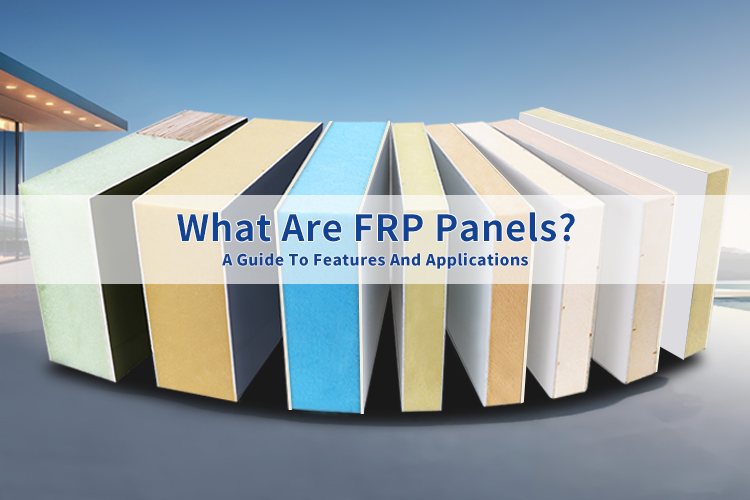
W użyciu może być łączony z większością materiałów. Najczęstszym zastosowaniem są panele kompozytowe z arkuszami z włókna szklanego. Pianka PU ma doskonały stosunek wytrzymałości do masy, dzięki czemu nadaje się do konstrukcji nośnych i produkcji paneli kompozytowych. Jest to preferowany wybór dla większości zastosowań izolacyjnych w budynkach.
Parametr
| Parametr | Opis |
|---|---|
| Nazwa produktu | Izolacja ze sztywnej pianki poliuretanowej |
| Przewodność cieplna | 0,022-0,028 W/m/K, doskonała izolacja. |
| Gęstość | 32-65 kg/m³, lekki materiał. |
| Struktura | Zamknięte komórki, doskonałe do izolacji i ognioodporności. |
| Zakres temperatur | -38°C do 118°C, działa w ekstremalnych warunkach. |
| Odporność ogniowa | Trudnopalny, tworzy węgiel drzewny, aby powstrzymać rozprzestrzenianie się ognia. |
| Twardość | 25-70 Shore A, trwały i zachowujący kształt. |
Uzyskaj bezpłatną wycenę sztywnej pianki izolacyjnej PU
zalety
- Niska przewodność cieplna: Współczynnik przewodności cieplnej jest niższy niż w przypadku PVC, XPS, PET i innych sztywnych pianek i został doceniony przez rynek.
- Niska gęstość: Gęstość pianki PU wynosi zaledwie 35 kg/m³, co czyni ją doskonałym, lekkim materiałem.
- Wysoka trwałość: Może utrzymywać temperaturę w ekstremalnych warunkach i wytrzymywać temperatury w zakresie od -38°C do 118°C.
- Właściwości ognioodporne: Pianka PU to trudnopalna pianka o temperaturze topnienia powyżej 250°C. Podczas spalania tworzy węgiel drzewny, zapobiegając w ten sposób rozprzestrzenianiu się płomieni. Nie wytwarza szkodliwych gazów.
- Łatwość przetwarzania: Pianka PU jest łatwa w obróbce i może być obrabiana za pomocą rzeźbienia i cięcia CNC.
- Wysoka twardość: Nie odkształca się i zachowuje swój kształt przez długi czas. Twardość Shore A wynosi od 25 do 70.
Strukturalna pianka poliuretanowa
Pianka PU to doskonała pianka strukturalna, odpowiednia do stosowania w budynkach, kolejach, statkach, ciężarówkach chłodniach i pojazdach towarowych. Może być produkowana jako materiał kompozytowy lub stosowana jako pianka wypełniająca. W piankach strukturalnych pianka PU zajmuje niemal dominującą pozycję.
FAQ
Zastosowania
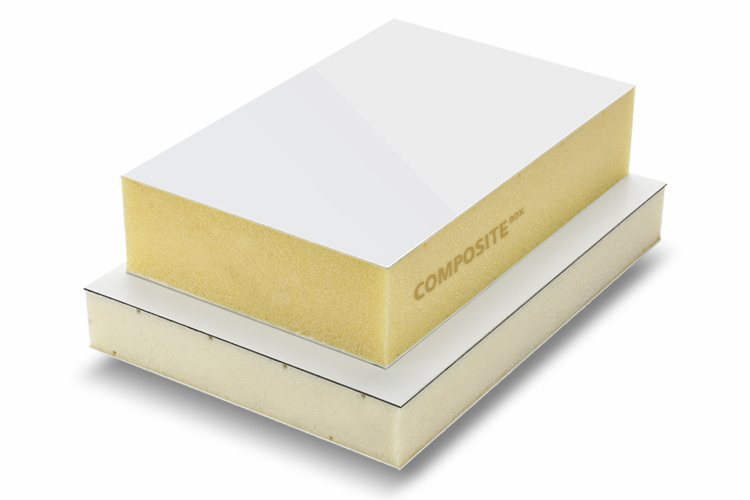
Płyty z pianki PU są również znane jako płyty izolacyjne lub pianka strukturalna. Mają one szeroki zakres zastosowań. Są powszechnie stosowane w izolacji budynków, panelach ciężarówek chłodni, materiałach kompozytowych, konstrukcjach kadłubów statków, izolowanych płytach warstwowych, domach mobilnych i innych.
Przetwarzanie niestandardowe
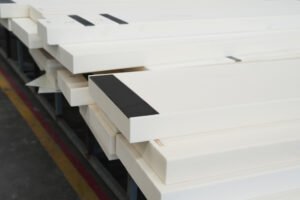
Osadzone konstrukcje wzmacniające
Aby zwiększyć wytrzymałość i funkcjonalność, w panelach kompozytowych można osadzić materiały wzmacniające. Dostępne opcje obejmują sklejkę, profile ze stopu aluminium, rury GRP, stalowe elementy konstrukcyjne i inne.
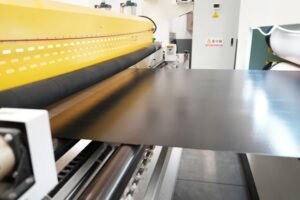
Przetwarzanie kompozytów wielomateriałowych
Specjalizujemy się w przetwarzaniu materiałów kompozytowych, takich jak FRP, CFRT i rdzenie piankowe, zapewniając doskonałą wydajność przy jednoczesnym spełnieniu różnorodnych wymagań aplikacji.
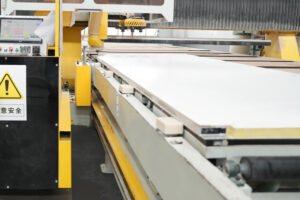
Precyzyjna obróbka CNC
Zaawansowane centra obróbcze CNC umożliwiają precyzyjne cięcie z dużą prędkością, frezowanie złożonych konturów, wiercenie i nie tylko.

Przetwarzanie krawędziowe
Wykończenie krawędzi i integracja złączy są wykonywane zgodnie z określonymi wymaganiami. Usługi obejmują oklejanie krawędzi, fazowanie i szlifowanie, impregnację wodoodporną i osadzanie nakrętek.

Dlaczego warto nas wybrać?
Zadowolenie klienta
Naleganie na wysokiej jakości produkty i serwery, skoncentrowane na doświadczeniu klienta.
Zapewnienie jakości
Ściśle kontrolujemy każdy proces produkcyjny, aby zapewnić naszym klientom niezawodną jakość.
Zaawansowana linia produkcyjna
Najlepsza na świecie linia produkcyjna zapewnia precyzję i wydajność produktu.
Personalizacja
Zapewniamy dostosowanie 100%, dzięki czemu zamówienia są mniej trudne.
 English
 French
 German
 Japanese
 Korean
 Russian
 Polish
 Spanish