
Kompletny przewodnik: Wymiana podłogi w ciężarówce skrzyniowej
Wymiana podłogi w ciężarówkach skrzyniowych jest jedną z napraw i konserwacji. Przy długotrwałym użytkowaniu ciężarówek. Podłoga często ulega uszkodzeniu w wyniku pracy wózka widłowego, przeciążenia lub wycieku wody, co powoduje pękanie desek, łuszczenie się stali lub gnicie. Powszechnie występuje w łańcuchu chłodniczym, a także w transporcie ciężkim. Jeśli podłoga nie zostanie wymieniona na czas, może to doprowadzić do jej zapadnięcia się lub nawet poślizgnięcia na późniejszym etapie. Terminowa wymiana poprawi bezpieczeństwo i pozwoli uniknąć wypadków. Niniejszy artykuł koncentruje się na typowych problemach związanych z podłogami, a także na wyborze materiałów i procesie wymiany.
Wymiana podłogi dla naczepy, naczepy chłodnicze, zamkniętych ciężarówek skrzyniowych i podobnych pojazdów, wraz ze wskazówkami edukacyjnymi dotyczącymi wyboru różnych materiałów podłogowych.
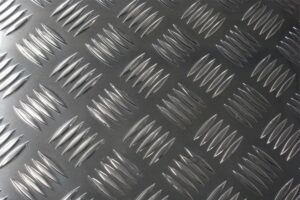
Rodzaje uszkodzeń podłóg ciężarówek skrzyniowych
Podłogi ciężarówek skrzyniowych często ulegają uszkodzeniu z różnych powodów. Najczęstszymi przyczynami uszkodzeń są pęknięcia, wilgoć i obciążenia.
- Pękanie: Obejmuje to pękanie drewnianych desek i łuszczenie się stalowych płyt.
- Wilgotność: Długotrwała ekspozycja na wilgoć może powodować korozję podłóg aluminiowych i drewnianych. Może to również wystąpić w przypadku wycieku wody.
- Obciążenie: Długotrwałe obciążenie lub pod wpływem wózka widłowego podczas załadunku i rozładunku, pojawią się wgniecenia, ta sytuacja jest najbardziej niebezpieczna, łatwo może spowodować osłabienie nośności.
Powyższe 3 powody są najczęstszymi przyczynami uszkodzeń podłóg ciężarówek skrzyniowych. Musimy je regularnie sprawdzać i wymieniać, aby zapewnić ich bezpieczeństwo podczas transportu.
Opcje materiałów do wymiany podłogi
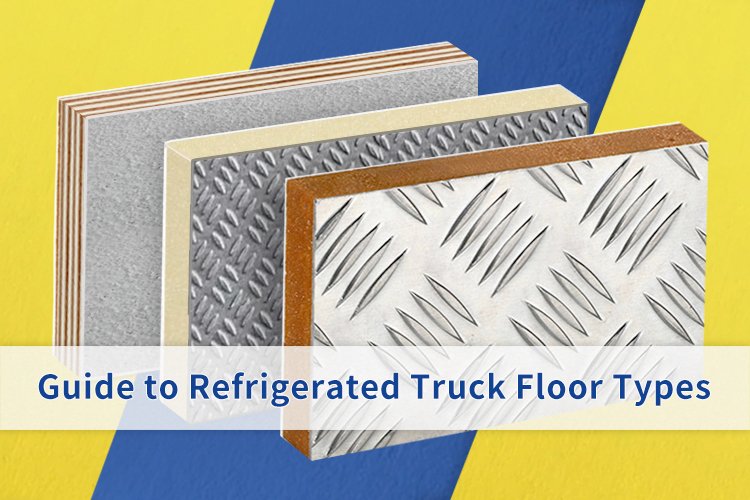
Podłogi ciężarówek skrzyniowych są dostępne w szerokiej gamie materiałów, aby sprostać różnym potrzebom transportowym, a zazwyczaj są 4 rodzaje podłóg.
Antypoślizgowa podłoga aluminiowa
Antypoślizgowa podłoga aluminiowa wykonana jest z wysokowytrzymałego stopu aluminium o specjalnej teksturowanej powierzchni i grubości około 3-5 mm, zapewniając doskonałą przyczepność (współczynnik tarcia ≥ 0,6). Lekka (ok. 4 kg/m2), odporna na korozję, odpowiednia do ciężarówek chłodni lub śliskich środowisk, łatwa do czyszczenia i o żywotności do 15 lat’.
Prostokątny rurociąg podłogowy
Prostokątna podłoga rurowa wykonana ze stopu aluminium lub stali z wydrążoną rurą (szerokość 50 mm, wysokość 20 mm), waga około 5-6 kg/m2. Konstrukcja o zwiększonej nośności (do 500 kg/m2), odpowiednia dla ciężkich samochodów ciężarowych, dobry drenaż i trwałość, oczekiwana żywotność ok. 12-15 lat.
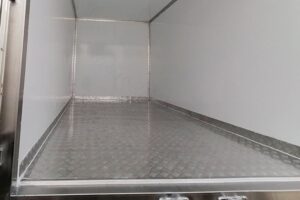
T-Floor
Podłoga w kształcie litery T jest wykonana głównie z aluminium z rowkiem w kształcie litery T (szerokość rowka 30 mm, głębokość 15 mm), waga około 4,5 kg / m2, łatwa do zamocowania ładunku. Powłoka antypoślizgowa jest opcjonalna, odpowiednia dla suchych ciężarówek lub ciężarówek chłodni, odporna na korozję, łatwa w instalacji, a dzięki żywotności do 15 lat spełnia szeroki zakres potrzeb transportowych.
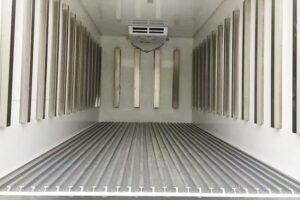
Podłogi winylowe do samochodów ciężarowych
Podłogi winylowe do samochodów ciężarowych to lekki materiał kompozytowy łączący winylowe podłogi drewnopodobne z rdzeniem PP o strukturze plastra miodu. Charakteryzuje się wysoką wytrzymałością, odpornością na zginanie i różnorodnymi opcjami stylizacji. Podłoga ta zmniejsza ciężar konstrukcji, zwiększa wydajność transportu, jest odporna na odkształcenia, oferuje wydłużoną żywotność i jest łatwa do czyszczenia. Biorąc pod uwagę ogólną wydajność i koszty, uważam, że jest to doskonały wybór.
Podłogi drewniane
Drewniana podłoga do ciężarówek wykorzystuje jako rdzeń sklejkę morską, wzmocnioną osadzonymi warstwami wzmacniającymi, tworząc lekką, wytrzymałą strukturę kompozytową. Ponad 30% lżejsza niż podłoga stalowa, oferuje właściwości wodoodporne, odporne na wilgoć i korozję, zapewniając jednocześnie doskonałą izolację i odporność na uderzenia. Z żywotnością do 15 lat, może nie być najbardziej opłacalną opcją, ale pozostaje popularnym wyborem dla wielu.
Proces wymiany i obsługa
Ocena uszkodzeń:
Najpierw określ miejsce uszkodzenia, zidentyfikuj przyczynę uszkodzenia, a następnie potwierdź obszar do wymiany. Zapewnij dokładne zrozumienie.
Usuń starą podłogę:
Użyj specjalnych narzędzi, aby usunąć uszkodzoną podłogę, a następnie użyj szlifierki, aby oczyścić powierzchnię podwozia, aby upewnić się, że jest równa i usunąć zanieczyszczenia, utrzymując ją czystą i gotową do montażu nowej podłogi.
Zainstaluj nową podłogę:
Wybierz inny rodzaj podłogi w zależności od typu furgonetki, upewniając się, że jest ona przycięta na wymiar z odpowiednimi naddatkami. Przyklej i zamocuj, aby zapewnić ścisłe dopasowanie do podwozia.
Proces uszczelniania:
Nałóż wodoodporny klej i zainstaluj uszczelki. Zapobiegaj wyciekom wody i korozji, zwiększ trwałość podłogi i zapewnij najwyższą ochronę.
Środki ostrożności przy wymianie paneli podłogowych w różnych nadwoziach samochodów ciężarowych
Wymiana podłogi w naczepie chłodni
Podczas wymiany podłogi w naczepie chłodni należy najpierw upewnić się, że nowy materiał - taki jak stop aluminium lub kompozyt - ma doskonałe właściwości termoizolacyjne i powłokę antybakteryjną, aby zapobiec wahaniom temperatury i rozwojowi bakterii. Upewnij się, że grubość podłogi (zazwyczaj 50-120 mm) odpowiada pierwotnym wymaganiom izolacyjnym, a także sprawdź funkcje antypoślizgowe i drenażowe, aby uniknąć przesuwania się ładunku lub gromadzenia się wody. Przed montażem należy ocenić nośność (2-15 ton) i wykorzystać konstrukcje modułowe, aby zapewnić hermetyczne uszczelnienia zapobiegające utracie ciepła. Profesjonalny zespół powinien przeprowadzić testy przed montażem, aby zachować integralność strukturalną. Proces wymiany musi uwzględniać w pierwszej kolejności efektywność energetyczną i standardy higieny.
Wymiana podłogi w naczepie ciężarówki
Wymieniając podłogę naczepy, należy wybierać lekkie, ale wytrzymałe materiały, takie jak stop aluminium lub podłoga kompozytowa, aby zmniejszyć masę pojazdu o 15%-20% i zwiększyć oszczędność paliwa. Upewnij się, że nowa podłoga wytrzyma obciążenie 25 ton, zachowując jednocześnie właściwości antypoślizgowe i odporność na nacisk. Zoptymalizuj połączenia z ramą pomocniczą, aby równomiernie rozłożyć obciążenia. Podczas montażu należy sprawdzić stabilność ramy, aby zapobiec poluzowaniu spowodowanemu wibracjami i zastosować powłoki antykorozyjne w celu wydłużenia okresu eksploatacji. Podczas dostosowywania należy wziąć pod uwagę kompatybilność ze strefami wielotemperaturowymi i przeprowadzić testy obciążenia w celu zapewnienia bezpieczeństwa. Takie podejście zwiększa wydajność transportu.
Wymiana zamkniętej podłogi przyczepy
Podczas wymiany podłóg w zamkniętych przyczepach należy wybierać łatwe w czyszczeniu, odporne na zużycie materiały, takie jak stop aluminium lub panele warstwowe ze sztywnej pianki, aby zachować ogólną szczelność i integralność strukturalną przestrzeni ładunkowej. Upewnij się, że podłoga ma właściwości wodoodporne, aby zapobiec korozji w wilgotnym środowisku i sprawdź kompatybilność z panelami bocznymi i ramami, aby uniknąć szczelin lub mostków termicznych po instalacji. Proces wymiany powinien obejmować przepisy dotyczące systemów E-track w celu ułatwienia zabezpieczenia ładunku oraz zatwierdzenia lekkich konstrukcji w celu zmniejszenia całkowitej masy. Profesjonalna ocena pomaga wydłużyć żywotność przedziału i zoptymalizować wykorzystanie przestrzeni.
Wprowadzenie autora

Dzień dobry, klienci
Nazywam się Jack Yu i jestem dyrektorem biznesowym w firmie Skrzynka kompozytowa. Od ponad 10 lat działam w branży płyt warstwowych, ciężarówek chłodni i samochodów kempingowych. Zapraszam do kontaktu skontaktuj się z nami. Z przyjemnością zapewniam najlepszą obsługę i produkty.
E-mail: info@composite-box.com






 English
 French
 German
 Japanese
 Korean
 Russian
 Polish
 Spanish