

Precautions for Transporting Fresh Produce
Transporting fresh agricultural products involves numerous critical steps, with temperature control, shock absorption, and ventilation being paramount. Any mishandling can lead to significant losses, not only reducing profits but also damaging brand value. Therefore, we must thoroughly understand and strictly manage every stage of transportation. This is key to safeguarding the commercial value of agricultural goods, minimizing post-harvest losses, and enhancing the efficiency and profitability of the entire supply chain.
| Category | Key Points |
|---|---|
| Overview | Transport is a precise system engineering project requiring full-chain management of temperature control, shock absorption, and ventilation to protect value and reduce losses. |
| Temperature | Pre-cooling is fundamental; precise in-transit control is core; full monitoring provides traceability. |
| Humidity & Shock | Maintain 90%-95% humidity to prevent wilting; use scientific packaging and smooth driving to reduce damage. |
| Gas & Ventilation | Manage ethylene; ensure effective ventilation; use controlled atmosphere for high-value products. |
| Special Products | Berries, leafy greens, stone fruits, corn/mushrooms, and flowers require extra protection. |
| Vehicle Choice | Composite Box refrigerated trucks offer optimal insulation, durability, and long-term benefits. |
| Loss Reduction | Origin pre-cooling, seamless cold chain, functional packaging, IoT monitoring, and staff training. |
What are the key considerations?
Through discussions with multiple farmers and cold chain company managers, I’ve summarized the following points to avoid over 80% of common issues. Among them, Corolla offered the most suggestions. That was during a scorching summer in 2023.

Temperature Management
Temperature directly impacts post-harvest physiological activity and quality deterioration in agricultural products. Improper control accelerates respiration, aging, and disease progression. So, how can we effectively prevent these issues?
- Pre-cooling: Activate refrigeration units before loading and initiate pre-cooling immediately after harvest.
- Precision Temperature Control During Transport: Select precise temperatures based on specific produce types. Maintain optimal temperature fluctuations.
- Temperature Monitoring & Logging: Continuously record temperatures to identify issues promptly.

Humidity Control
Humidity directly impacts agricultural products’ moisture loss rate and freshness. Excessive water loss leads to wilting, shriveling, weight loss, and a sharp decline in commercial value.
- Maintain High Humidity: Most fresh fruits and vegetables require a relatively high humidity environment of 90%-95%.
- Prevent Condensation: Prevent moisture from condensing on packaging surfaces. Maintain breathability.
- Targeted Management: For products like onions and garlic, implement targeted management using plastic wrap or similar materials.

Anti-Vibration Measures:
Prevent mechanical damage caused by vibration during transport to avoid accelerated spoilage.
- Scientific Packaging and Stacking: Use packaging with moderate strength and internal cushioning designs (e.g., dividers, padding, molded trays).
- Optimized Loading and Securing:Ensure flat cargo compartments. Secure goods effectively with straps, airbags, or support rods to prevent sliding and collisions during vehicle starts, turns, and braking.
- Smooth Driving and Route Selection:Drivers should maintain steady driving, avoiding abrupt braking and sharp turns.

Ventilation:
Certain agricultural products are sensitive to ethylene gas and generate heat and gases through respiration. Improper accumulation accelerates aging and spoilage.
- Ethylene Management: Ethylene-sensitive products (e.g., lettuce, cucumbers, carrots) must never be co-loaded with ethylene-producing items (e.g., ripe bananas, apples, tomatoes). Use ethylene absorbers or catalytic devices when necessary.
- Effective Ventilation: Even under refrigerated conditions, ensure cold air circulates uniformly throughout the cargo. Promptly exhaust heat, carbon dioxide, and ethylene produced by respiration to prevent localized temperature spikes and gas hazards. Allow sufficient space for airflow circulation when stacking cargo.
- Controlled Atmosphere Transport Applications: For high-value or long-haul agricultural products, controlled atmosphere transport can be employed. This involves actively adjusting the proportions of oxygen, carbon dioxide, and nitrogen within the transport compartment to significantly suppress respiration and substantially extend shelf life.
Which agricultural products require special protection and attention during transportation?
The following categories of agricultural products demand meticulous care during transport due to their physiological characteristics:
1. Berries: Such as strawberries, blueberries, raspberries, and grapes. Their thin skins and high juice content make them extremely susceptible to mechanical damage from crushing and vibration, leading to rapid mold growth and spoilage. They are highly temperature-sensitive and must be transported at low temperatures (0-2°C) throughout the journey. Packaging must provide adequate cushioning and breathability.
2. Leafy Greens: Such as spinach, lettuce, and cilantro. With large surface areas, they lose water rapidly through transpiration, leading to wilting and yellowing. They are also highly fragile, prone to breakage, and extremely sensitive to ethylene. They require high humidity, low temperatures, protection from crushing, and strict isolation from ethylene sources.
3. Stone and tropical fruits: Examples include peaches, plums, mangoes, and lychees. These fruits exhibit respiratory burst characteristics, continuing to ripen post-harvest. They are extremely sensitive to temperature and ethylene. Transportation requires precise temperature control based on ripeness and destination distance to prevent overripening or cold damage.
4. Fresh corn and mushrooms: These have very high respiration rates, leading to rapid post-harvest quality decline and significant heat generation. Pre-cooling must be completed within hours of harvest, followed by immediate cold chain entry. Transportation requires vigorous ventilation for heat dissipation.
5. Delicate flowers and premium sprouts: These products carry extremely high commercial value, where any physical damage or slight quality decline causes drastic value depreciation. Transportation demands constant temperature and humidity control with near-zero vibration, often requiring specialized packaging and dedicated transport vehicles.
| Product Category | Transport Requirements |
|---|---|
| Berries | Extremely sensitive to crushing/vibration. Require 0-2°C temperature, cushioned breathable packaging. Rapid mold growth if damaged. |
| Leafy Greens | High transpiration leads to wilting. Need high humidity, low temperature, ethylene isolation, and crush protection. |
| Stone/Tropical Fruits | Continue ripening post-harvest. Require precise temperature control based on ripeness to prevent overripening or cold damage. |
| Corn & Mushrooms | Very high respiration rates generate heat. Need immediate pre-cooling, cold chain, and vigorous ventilation during transport. |
| Flowers & Premium Sprouts | Extremely high-value, zero-tolerance for damage. Require constant temperature/humidity, near-zero vibration, specialized packaging. |
What is the best van for transporting agricultural products?
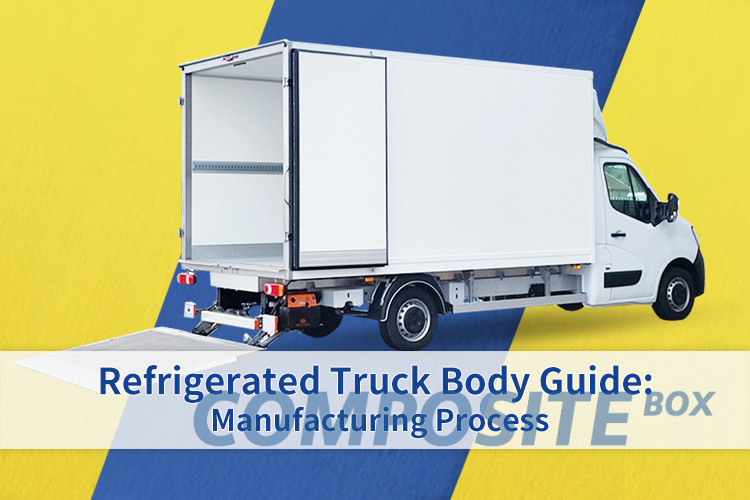
In my view, the best van for transporting agricultural products is the Composite Box modular fiberglass composite body, which strikes an excellent balance between performance and cost. Here’s why:
- Body Structure Design: We can customize bodies based on your chassis, functional requirements, and insulation needs. Fully customized production.
- Superior Insulation: We utilize materials like fiberglass, polyurethane, and XPS, delivering exceptional sealing performance.
- Exceptional Durability: Features outstanding corrosion resistance, easy cleanability, low long-term maintenance costs, and extended service life.
While Composite Box refrigerated trucks have a higher initial cost, their long-term energy efficiency, load capacity advantages, low maintenance expenses, cargo safety, and brand enhancement make them a strategic choice for high-quality agricultural product transport enterprises.


How to Reduce Transportation Losses in Agricultural Products?
Finally, drawing on practical cases, we summarize how to minimize transportation losses from harvest to retail outlets.
- 1: Optimize Pre- and Post-Harvest Handling: Pre-cooling must be conducted at the production site.
- 2: Implement Precise Seamless Cold Chain Integration: Establish an uninterrupted cold chain system encompassing “pre-cooling → refrigerated transport → cold storage → refrigerated distribution.”
- 3: Employ Functional Packaging: Utilize anti-fog preservation films, microporous films for gas regulation, and pressure-resistant shipping containers.
- 4: Implement IoT Logistics Management: Enable real-time monitoring of vehicle location, temperature, humidity, and door status.
- 5: Staff Training: Conduct regular training for all personnel involved in harvesting, sorting, loading/unloading, and transportation. Reinforce their understanding of agricultural products’ perishable nature and promote meticulous handling practices.



 English
 French
 German
 Japanese
 Korean
 Russian
 Polish
 Spanish