
Honeycomb Panel Flood Barriers
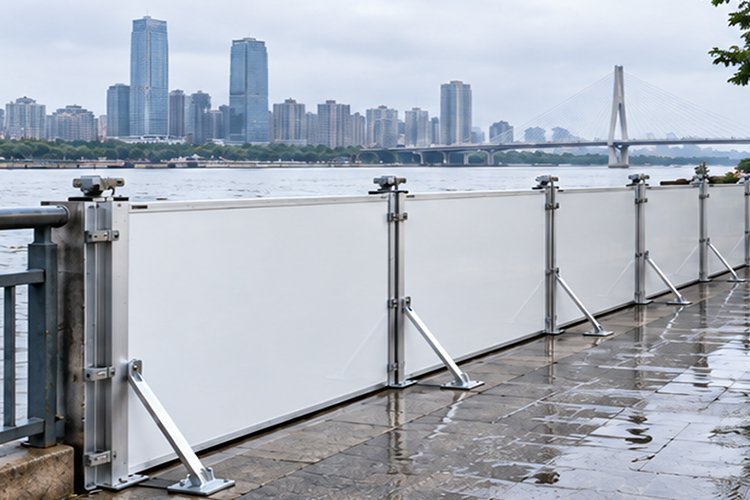
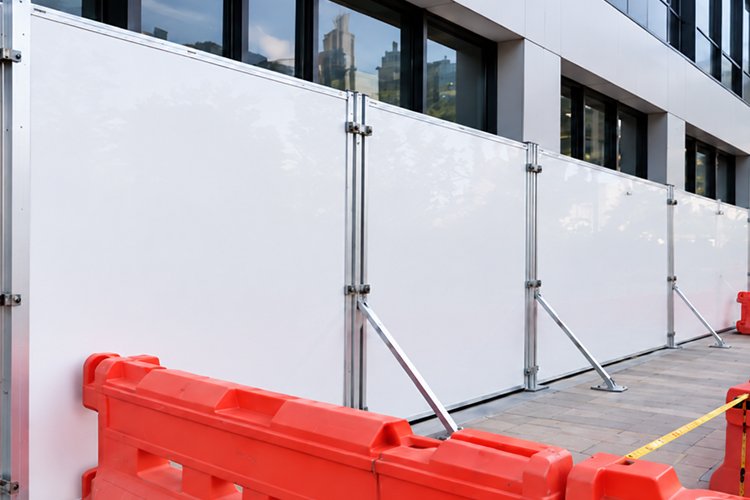
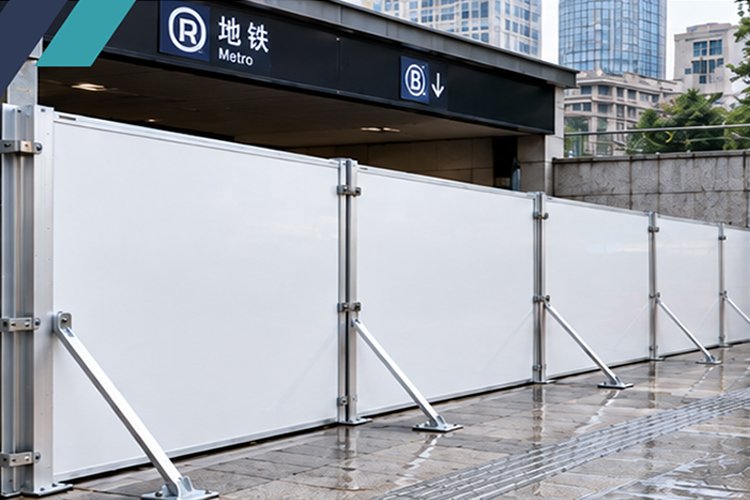
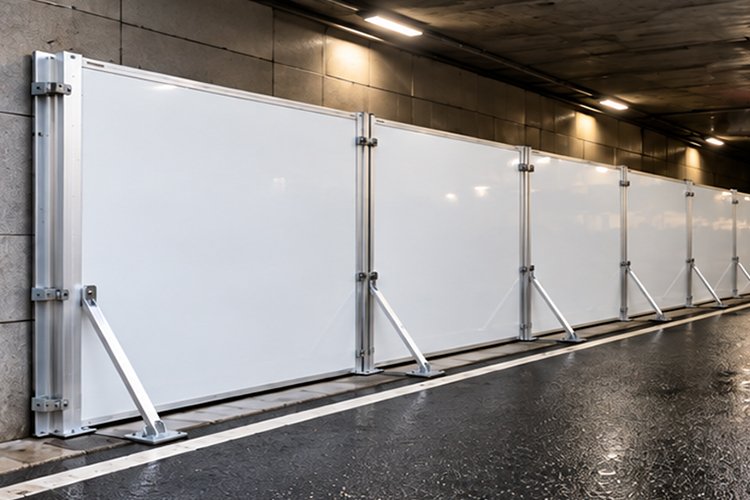
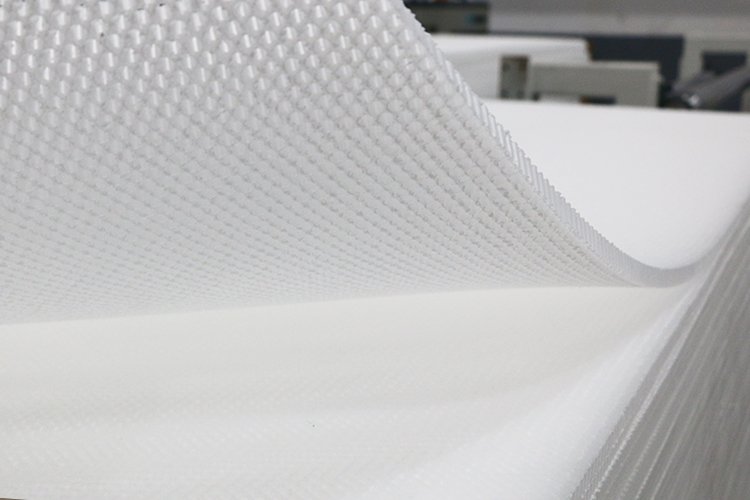
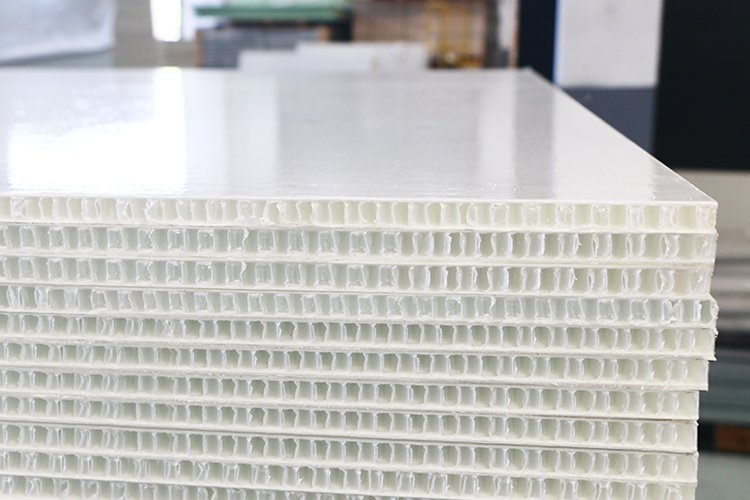
Honeycomb panel flood barriers are lightweight, high-strength flood protection systems designed to safeguard residential, commercial, and industrial buildings against floodwater intrusion. These barriers feature a composite sandwich structure, consisting of durable fiberglass face sheets bonded to a lightweight honeycomb core. Equipped with sealed edges, waterproof treatments, and a modular connection system, these honeycomb-panel barriers offer a flexible and efficient solution for a wide range of permanent or temporary flood-mitigation applications.
Get Free Quote of Honeycomb Panel Flood Barriers
Flood Barrier Structure & Materials
1. Lightweight Honeycomb Panels
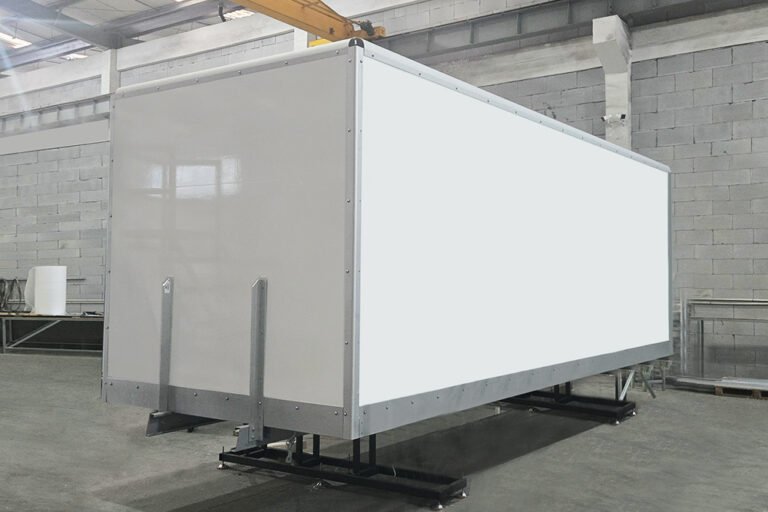
These flood barriers feature a sandwich panel construction, consisting of two outer skins made of fiberglass-reinforced plastic (FRP) and a lightweight honeycomb core. This design offers an excellent strength-to-weight ratio; it maintains structural rigidity while reducing the overall weight of the panels, making them easier to handle, transport, and install.
2. Edge Sealing and Waterproofing
The edges of the panels are sealed and waterproofed to effectively prevent moisture from penetrating the honeycomb core. The combination of waterproof outer skins, sealed edges, and rubber gaskets helps minimize leakage and enhances durability in wet environments.
3. Connection and Installation
The honeycomb flood barriers can be integrated with support posts, guide rails, interlocking connectors, and fasteners to form a modular flood protection system. Through custom connection designs and sealing strips, the panels can be efficiently assembled, secured, and disassembled to meet the specific requirements of various sites.
Key Features & Advantages
- Lightweight Design
- High Structural Strength
- Water Resistance
- Corrosion Resistance
- Reusable
- Customizable Dimensions
- Easy Installation
Applications
· Residential Flood Protection
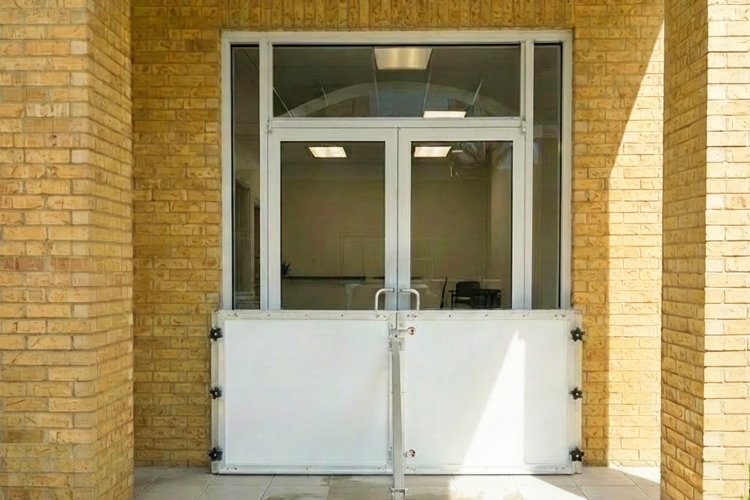
Honeycomb flood barrier panels offer a practical solution for protecting residential properties against flooding caused by heavy rainfall, rising rivers, surface runoff, and urban drainage overflows. They can be installed at building entrances, doorways, basement openings, patio access points, and other vulnerable entryways where floodwater might otherwise penetrate.
Compared to many traditional solid barrier materials, these lightweight sandwich-structure panels are easier for homeowners to handle, install, and remove. Furthermore, the water-resistant fiberglass-reinforced plastic (FRP) panels can be equipped with sealed edges and rubber gasket systems to help prevent water seepage.
Typical applications:
– Flood protection for front and rear doors
– Basement and cellar entrances
– Patio and garden door openings
– Ground-level residential entrances
– Residential properties in flood-prone areas
· Commercial Buildings
Commercial buildings—such as shopping centers, office complexes, hotels, retail stores, and business centers—often feature large entrances or ground-level openings, making them highly susceptible to floodwater intrusion. Honeycomb-core flood barriers can be integrated into demountable or modular flood protection systems to safeguard these vulnerable areas.
For commercial properties, these flood barriers can be custom-engineered with reinforced edges, interlocking mechanisms, and integrated sealing systems. This design enhances overall structural stability under specific water pressures and effectively minimizes leakage.
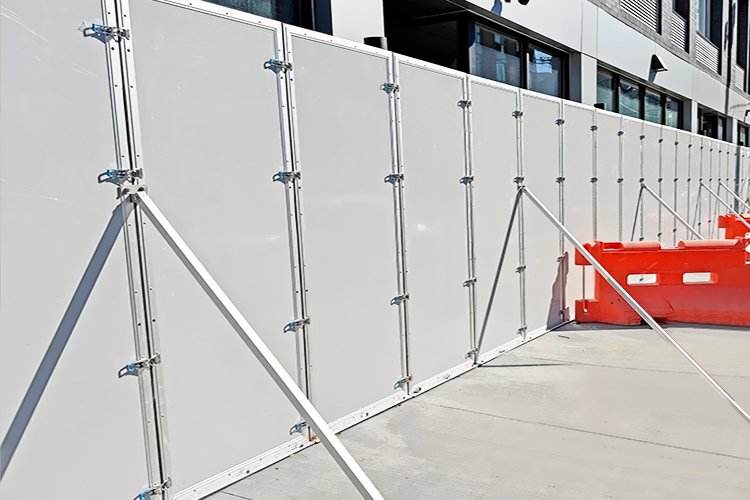
Typical applications include:
– Shopping center entrances
– Office building entry and exit points
– Hotel entrances and service access points
– Retail storefronts
– Loading docks and service bays for commercial buildings
– Entrances to subterranean commercial facilities
· Industrial Facilities
Industrial facilities require reliable flood protection to safeguard production equipment, electrical systems, raw materials, and manufacturing operations. Floodwater intrusion can lead to equipment damage, production downtime, loss of inventory, and substantial post-disaster restoration costs.
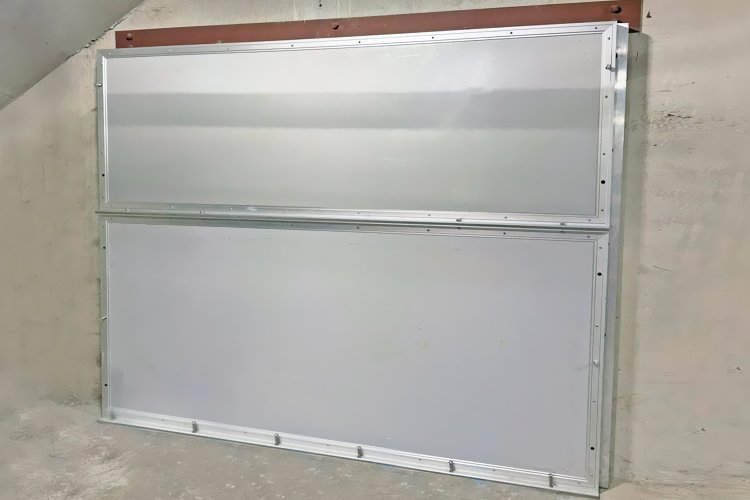
Cellular flood barriers can be deployed at factory entrances, workshop doors, equipment rooms, utility areas, and other openings vulnerable to flooding. Their sandwich-panel structure offers a combination of lightweight design and high structural rigidity, making them ideal for constructing customized flood protection systems.
Typical applications include:
– Factory entrances and workshop doors
– Production line access points
– Entrances to electrical control rooms
– Equipment and utility rooms
– Industrial buildings located in flood-prone areas
– Chemical and manufacturing facilities
· Warehouses & Logistics Centers
Warehouses and logistics centers typically feature large loading/unloading areas, roll-up doors, truck access points, and ground-level storage spaces. These openings can serve as entry points for floodwaters—particularly during heavy rainfall, flash floods, or failures in drainage systems.
Modular, honeycomb-structured flood barriers can be custom-sized to cover wide openings, such as warehouse entrances and loading docks.
· Garages & Parking Areas
Garages and parking facilities are highly vulnerable to flooding, as their entrances are often located at ground level or below grade. Once floodwater enters these areas, it can damage vehicles, electrical equipment, ventilation systems, elevators, and various other parking infrastructure components.
Cellular flood barriers can be installed at garage doors, the entrances to underground parking facilities, vehicle ramps, and access points for subterranean parking. Their lightweight construction facilitates easy handling and installation during emergency preparedness efforts. Furthermore, the dimensions of these barriers can be customized to accommodate specific entrance widths and the required level of flood protection.
For areas used by vehicles, this flood-protection system can be designed with removable barriers, side guide rails, and bottom sealing strips—ensuring both ease of installation and unimpeded vehicle access during normal daily operations.
· Temporary Flood Protection
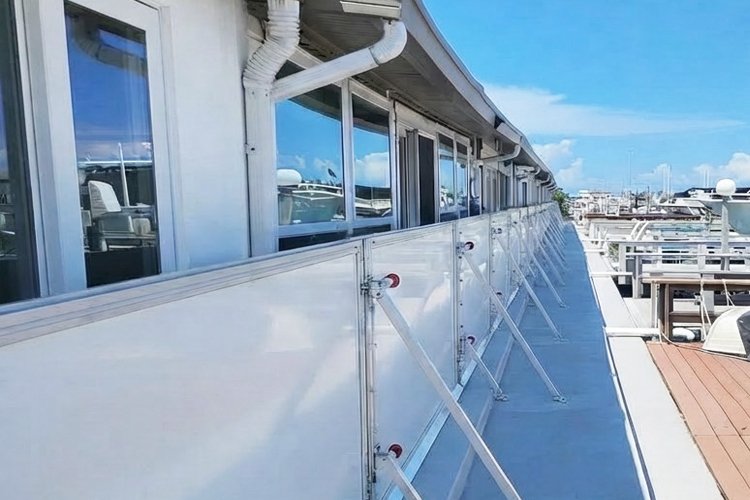
For locations facing risks from seasonal flooding, sudden heavy rainfall, or short-term flood events, temporary flood protection measures are essential. Cellular flood barriers—designed for use in portable and modular systems—are specifically engineered for temporary deployment around buildings, construction sites, infrastructure, and public facilities vulnerable to flooding.
Typical application scenarios:
– Temporary protection for construction sites
– Seasonal flood control projects
– Emergency protection for building entrances
– Safeguarding public facilities and community infrastructure
– Temporary protection for roads and access points
– Protection for event venues in flood-prone areas
why choose us?
Customer Satisfaction
Insisting on high quality products and servers, centered around customer experience.
Quality Assurance
We strictly control every production process to bring reliable quality assurance to our customers.
Advanced Production Line
The world’s top production line ensures product precision and efficiency.
Customization
We provide 100% customization, making orders less difficult.









 English
 French
 German
 Japanese
 Korean
 Russian
 Polish
 Spanish