

Kompletny przewodnik po bramach rolowanych do samochodów skrzyniowych
High-Security Roll Door Solutions
Composite Box delivers comprehensive high-security roll door solutions. Featuring an aluminum alloy structure and anti-pry design, it effectively resists external force damage and unauthorized intrusion. The door body incorporates precise limit switches and an intelligent control system, ensuring safe operation and preventing damage from over-lifting or over-lowering.
Nasze wodoodporne uszczelki zapewniają, że przedziały ładunkowe pozostają suche, chroniąc towary przed uszkodzeniem przez deszcz i dostosowując się do różnych złożonych środowisk transportowych. Panele drzwi mają gładkie wykończenie zewnętrzne.
Oferujemy niestandardowe logo lub grafikę reklamową dostosowaną do potrzeb firmy, równoważąc ochronę bezpieczeństwa z widocznością marki. Zwiększa to estetykę i wpływ na promocję.
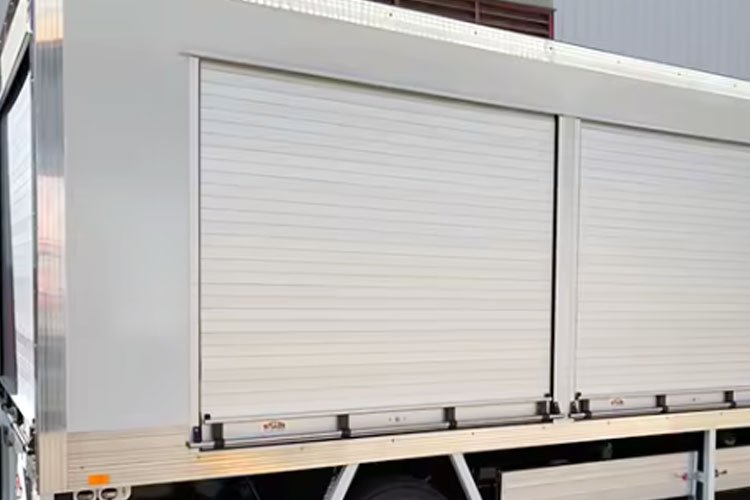
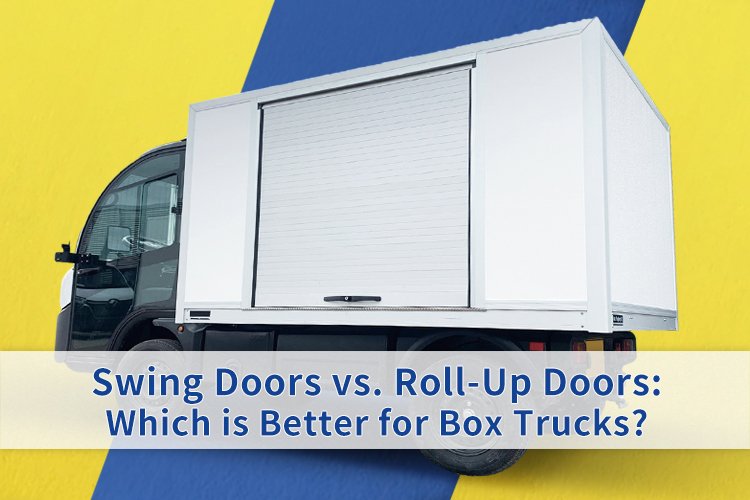
What types of roll-up doors are available for box trucks?
Box trucks feature two drive types: manual roll-up doors and electric roll-up doors. Material options include aluminum alloy, galvanized steel, and stainless steel.
Differences between manual and electric roll-up doors:
Manual Roll-Up Doors
Manual roll-up doors rely on track systems and torsion springs to enable simple, quick manual pushing or pulling. Suitable for small to medium-sized vans, they offer relatively simple maintenance and lower costs. However, they require manual operation for opening/closing, resulting in lower efficiency.
Electric Roll-Up Doors
Electric roll-up doors incorporate motors, remote controls, and smart control systems. Operators simply press a button or use remote control for automatic opening/closing, significantly enhancing convenience. These are commonly used for large trucks, high-end refrigerated vehicles, specialized vehicles, and applications requiring frequent operation.
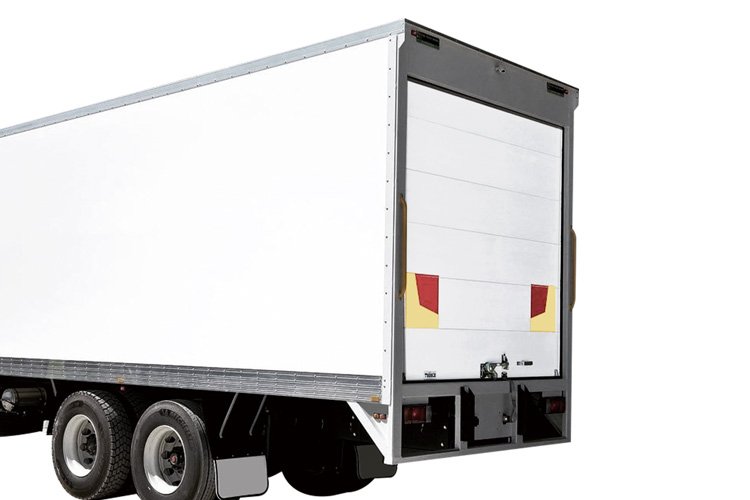
By Material Classification:
- Aluminum Alloy Roll-Up Doors: Lightweight, corrosion-resistant, and low-maintenance, ideal for coastal, humid environments or frequent loading/unloading operations.
- Galvanized Steel Roll-Up Doors: High strength and impact resistance, suitable for heavy-duty, bulk transport, and secure high-value cargo. Disadvantage: heavier weight.
- Stainless steel roll-up doors: Exceptional corrosion resistance but higher cost, primarily used in extreme environments or vehicles requiring long-term durability.
- Composite roll-up doors: Such as foam sandwich panels, combining lightweight, sturdiness, and some insulation properties, suitable for refrigerated trucks and specialized transport.
The following sections will detail the characteristics of roll-up doors made from different materials.
What are the components of a roll-up door?
A box truck roll-up door consists of 13 components, each serving a unique function. Together, they ensure the entire roll-up door system operates smoothly.
| Component | Function Description |
| Limit Switch | Restricts door travel to prevent overshoot, safeguarding equipment and peopleures safety |
| Bottom Beam | Strengthens lower door rigidity and seals, boosting structural integrity |
| Torsion Spring | Offsets door weight for smooth, low-effort operation |
| Locking System | Locks door shut to deter theft and secure cargo |
| Door Panels (Slats) | Interlock to form flexible curtain, coils onto top drum |
| Weatherstrip/Seal | Blocks rain, dust, and cold air to preserve interior conditions |
| Drum and Cable System | Lifts heavy doors in sync, distributing panel load evenly |
| Shaft | Bears full door weight, linking drum and spring assembly |
| Control Panel/Remote | Enables remote or local electric door control with mode options |
| Guide Rail | Keeps curtain on vertical path, eliminating sway or jams |
| Track | Directs panels in smooth vertical slide for reliable motion |
| Motor Drive | Powers automatic door motion with optional timed settings |
| Safety Light Curtain | Senses obstacles below, halts instantly to avoid crushing |
How to Install a Box truck Roll-Up Door?
Installing a box truck roll-up door is relatively complicated and requires professional guidance for safety. Not only must the positioning be precise, but the seal must also be secure. Improper installation can lead to jamming, poor sealing, and other issues. The installation process consists of 7 steps.
- Position the latch: Place the small latch inside the bottom rail, 10–15 cm from each side.
- Mark the holes: Press the latch against the bottom rail and mark the positions for the two screw holes with a pen.
- Drill pilot holes: Using an electric drill, drill two 3 mm deep holes at the marked points. Do not drill through.
- Secure the latch: Use the two included square-head screws and nuts to firmly attach the latch to the bottom rail.
- Install the latch plate: Close the door and note where the latch contacts the frame. Position the latch plate at that point, mark and drill holes, then secure with the same screws.
- Test operation: Open and close the door to ensure the latch slides smoothly into the strike plate. If it catches, slightly adjust the position.
- Locking: When securing the bike, simply thread a standard padlock (purchased separately) through the small hole in the latch.
How to Maintain Box truck Roll-Up Doors?
To ensure long-term stable operation of box truck Roll-up doors, maintaining smooth performance without damage, follow these 7 methods to keep them functioning properly.
1: Clean Door Panels and Track Dust
Regularly wipe surfaces, door panels, and tracks with a soft cloth. Use gentle pressure only. Never use damp cloths, as this increases rust risk.
2: Lubricate Moving Parts
Periodically apply lubricant to tracks, rollers, bearings, and other moving components to prevent wear caused by friction.
3: Inspect fastening bolts and joints
Periodically tighten bolts at critical points like door panels, bottom beams, and guide rails with tools to prevent rattling or malfunctions caused by loosening.
4: Seal strip and waterproofing system maintenance
Check seal strips for aging or damage, promptly replacing worn components to maintain door sealing effectiveness and prevent moisture ingress.
5: Torque spring and elastic system inspection
Inspect torsion springs for failure or deformation. Replace as needed to ensure effortless operation and eliminate safety hazards.
6: Rust and Corrosion Prevention
Especially for steel doors, apply rust-proof paint and corrosion-resistant treatments periodically to prevent metal structure deterioration from rainwater and chemicals.
7: Lock and Security Device Maintenance
Regularly test lock functionality to prevent jamming or breakage, ensuring security and theft prevention.
Comparison of Different Materials
| Materiał | Zalety | Wady | Typowe zastosowania |
|---|---|---|---|
| Aluminum Alloy | Lightweight for better fuel efficiency; highly corrosion-resistant; low maintenance and aesthetically pleasing | Prone to dents and scratches; lower security and impact resistance | Frequent operations; coastal/humid environments; light-duty delivery and logistics |
| Galvanized Steel | Exceptional strength and impact resistance; secure and durable for heavy-duty uses | Heavier, reducing payload; prone to rust; higher maintenance needs | Heavy cargo transport; rugged industries like construction; secure delivery |
| Stainless Steel | Outstanding corrosion resistance; highly durable with low long-term maintenance | More expensive; heavier than aluminum; occasional cleaning required | Harsh corrosive environments; long-term operations like food/medical transport; premium industries |
| Composite Materials (Sandwich Panels) | Lightweight with strength and thermal insulation; corrosion-resistant and customizable | Higher cost; less impact-resistant than steel; complex repairs | Refrigerated/cold chain vehicles; temperature-sensitive cargo; specialized uses like RVs |

 English
 French
 German
 Japanese
 Korean
 Russian
 Polish